
Commercial Electricity Rates by Industry in Texas
Texas businesses spend millions on electricity every year, and most are paying more than they should. The right energy procurement strategy starts with understanding how your specific industry uses power. We help commercial and industrial clients across Texas secure competitive electricity rates through supplier competition, market analysis, and contract structures built around real usage data.
8,000+
Commercial Customers
A+
BBB Rating
13+
Years in Texas


Industry-Specific Energy Procurement Expertise
Not every business uses electricity the same way. A cold storage warehouse running compressors around the clock has nothing in common with a retail chain that peaks during business hours and goes dark at night. These differences in load profiles, demand patterns, and operating schedules have a direct impact on what you pay per kilowatt-hour.
We've spent over 13 years working with commercial and industrial clients across Texas, learning the energy fingerprint of each industry we serve. That experience means we know which contract structures work for 24/7 operations versus seasonal businesses, which suppliers compete most aggressively for specific load types, and where the real savings opportunities are hiding in your current electricity bill.
Our procurement process puts multiple Retail Electric Providers in direct competition for your account. We analyze your historical usage, model future consumption scenarios, and run reverse auctions that consistently deliver business electricity rates well below what companies find shopping on their own. The result: lower commercial power rates, better contract terms, and a strategy that actually fits how your business operates.
⚡ Load Profile Analysis
We study your specific demand curves and usage patterns to identify the pricing model that minimizes your total cost.
📈 Supplier Competition
Our reverse auction process forces providers to compete, driving down commercial electricity prices across all industries.
💰 Contract Optimization
Fixed, indexed, or blended: we match your risk tolerance with the contract structure that protects your budget.
Commercial Electricity Rates for Every Industry
Each industry below has unique energy demands that affect pricing, contract structure, and savings potential. Select your industry to see how we approach commercial energy rates for businesses like yours across Texas.

Data centers draw massive, constant power loads 24 hours a day, 365 days a year. Their high load factors and flat demand profiles create unique opportunities for competitive commercial electricity pricing. We source contracts that account for redundancy requirements, cooling loads, and growth projections.

Manufacturing facilities deal with heavy machinery, multi-shift operations, and significant demand charges. Electricity often represents one of the largest operating expenses on the floor. We structure contracts around shift schedules and production cycles to reduce your per-unit energy cost.

Restaurants face sharp demand spikes during meal service, paired with continuous loads from refrigeration and HVAC. Multi-location operators often overpay because each site gets quoted individually. We aggregate locations and negotiate bulk business electricity rates that single-site quotes can't match.

Churches and religious facilities have irregular usage patterns: heavy demand on weekends and event days, minimal draw during the week. This creates a low load factor that most providers price against you. We find suppliers who understand intermittent commercial energy usage and offer favorable rate structures.

Property managers and building owners juggle electricity costs across multiple meters, common areas, and tenant agreements. Commercial real estate electricity expenses directly impact NOI and property valuations. We consolidate meters and negotiate portfolio-level commercial power rates that improve your bottom line.

Hospitals, clinics, and medical complexes can't afford power interruptions, and they consume enormous amounts of electricity for imaging equipment, climate control, and life-support systems. We procure contracts that balance cost savings with the reliability and rate stability healthcare operations demand.

Hotels run HVAC, lighting, laundry, and kitchen operations across hundreds of rooms, often 24/7. Occupancy fluctuations make demand forecasting tricky, and electricity is typically the second-largest operating cost after labor. We identify business energy plans in Texas that account for seasonal swings and high base loads.

Large industrial operations, from refineries to processing plants, consume power at a scale that puts them in a different pricing tier entirely. Transmission-level voltage, demand ratchets, and power factor penalties all affect the final rate. We negotiate industrial-grade contracts with suppliers who specialize in high-volume commercial electricity in Texas.

Retail chains operate dozens or hundreds of locations, each with its own meter and usage profile. Most pay different rates at every store because they've never consolidated their buying power. We aggregate all your meters into a single procurement event, creating volume-based leverage that drives down commercial electricity prices statewide.
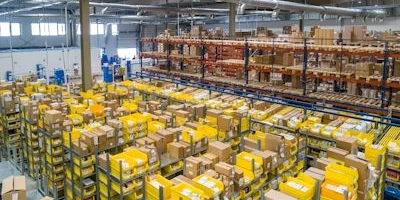
Warehouses and distribution centers face rising electricity costs from lighting, climate control, conveyor systems, and EV charging infrastructure. Cold storage operations push energy bills even higher. We source commercial energy rates that reflect your actual usage profile, whether you're running a temperature-controlled facility or a standard distribution hub.
We work with businesses in dozens of additional industries across Texas. If you don't see your sector listed above, request a custom quote and our team will build a procurement strategy around your specific energy needs.
Get Your Custom Industry Rate
Stop overpaying for commercial electricity. Our team runs competitive reverse auctions where multiple Texas energy providers bid for your business, driving rates down and giving you full visibility into your options. Whether you operate a single facility or manage locations across Houston, Dallas, and Fort Worth, we'll deliver pricing that reflects what your business actually uses.
Why Industry-Specific Energy Procurement Matters
If you've ever received a "one-size-fits-all" electricity quote, you already know the problem. Generic pricing ignores the operational realities that define your energy costs. What matters isn't just how much electricity you use; it's when you use it, how consistently you use it, and what your demand peaks look like relative to your baseline.
Load Profiles Shape Your Rate
Every commercial facility has a load profile: a pattern of electricity consumption measured in 15-minute intervals across the day, week, and year. A manufacturing plant running three shifts produces a flat, predictable load profile. A church that fills on Sunday mornings and sits empty Tuesday through Friday has a wildly different shape. These profiles determine how suppliers price your account because they affect the wholesale cost of serving your load.
Businesses with high load factors (meaning consistent, steady usage) generally qualify for the most competitive commercial electricity rates. Those with spiky, unpredictable demand patterns often face premium pricing unless the contract is structured to account for those peaks.
Demand Charges: The Hidden Cost Driver
For many commercial and industrial clients, demand charges (measured in kW, not kWh) represent 30-50% of the total electricity bill. Your demand charge is based on the single highest 15-minute interval of consumption during the billing period. A single spike can set your demand charge for the entire month.
This is where industry-specific knowledge becomes critical. We understand which industries are most vulnerable to demand charge spikes and how to structure contracts, operational adjustments, and rate plans that minimize their impact. For some clients, shifting a single process by 30 minutes can reduce demand charges by thousands of dollars monthly.
Contract Structures Vary by Industry
A five-year fixed-rate contract makes sense for a data center with predictable, long-term load growth. It would be a poor fit for a seasonal hospitality business whose consumption drops 40% in the off-season. The wrong contract structure locks you into rates and terms that don't align with your operations, costing you money every month for years.
We match contract length, pricing mechanism, and risk management tools to the specific operating characteristics of your industry. The goal isn't just a low rate; it's the right rate structure that delivers the lowest total cost over the life of the agreement.
Energy Risk Management:
Beyond rate shopping, we help businesses develop long-term energy risk management strategies. This includes layered purchasing, budget certainty planning, and market exposure limits that protect your organization from wholesale price volatility in the ERCOT market.
Commercial Electricity Rates Across Major Texas Markets
Business electricity rates in Texas differ by location because transmission and distribution charges vary by utility territory. Whether your facilities are concentrated in one metro area or spread across the state, we build procurement strategies that account for these regional cost differences. Explore rates in the cities where we work most frequently:
Frequently Asked Questions About Commercial Electricity Rates
What affects commercial electricity rates in Texas?
Commercial electricity rates in Texas depend on several factors: your monthly consumption volume (kWh), peak demand (kW), load factor, time-of-use patterns, contract length, and current wholesale market conditions. Businesses with higher and more consistent usage often qualify for lower per-kWh pricing. Location within ERCOT's grid, your Transmission Distribution Service Provider (TDSP), and the number of competing Retail Electric Providers in your area also influence the rates available to you.
How do business electricity rates vary by industry?
Each industry operates on a different schedule and draws power differently. A data center runs at near-constant load 24/7, while a restaurant peaks during meal times and drops off overnight. Manufacturing plants may spike during shift changes. These load profiles directly affect demand charges and the contract structures that make sense for each business. We analyze these industry-specific patterns to match each client with the pricing model that produces the lowest total cost.
Can businesses compare multiple energy providers in Texas?
Yes. Texas operates a deregulated electricity market, which means commercial and industrial customers can choose their Retail Electric Provider. We take this a step further by running competitive reverse auctions where multiple providers bid for your business simultaneously. This process creates real pricing competition and consistently delivers rates below what businesses find on their own.
What is energy procurement for commercial clients?
Energy procurement is the process of strategically sourcing electricity contracts on behalf of a business. Rather than accepting a single provider's offer, we analyze your usage data, identify the contract structures that fit your operations, solicit competing bids from qualified suppliers, and negotiate terms that protect your bottom line. This includes rate benchmarking, contract timing, risk assessment, and ongoing market monitoring.
How can companies reduce commercial energy costs in Texas?
The most effective way to reduce commercial energy costs is through competitive procurement. By comparing offers from multiple Retail Electric Providers and timing your contract with favorable market conditions, businesses routinely save 10-30% on their electricity spend. We also help clients optimize their demand charges, select the right contract structure (fixed, indexed, or blended), and avoid costly auto-renewal traps.
Do different Texas cities have different commercial power rates?
Yes. While the energy supply charge is market-driven, the delivery charges (transmission and distribution) vary by utility territory. Businesses in Houston(CenterPoint), Dallas(Oncor), and Fort Worth(Oncor) each face different TDSP charges that affect their total cost per kWh. We factor in these location-specific costs when comparing rates so you see the true all-in price, not just the supply rate.
Your Industry Deserves a Smarter Energy Strategy
Every dollar you overspend on electricity is a dollar that could go toward equipment, hiring, or growth. We've helped over 8,000 Texas businesses take control of their commercial electricity costs through strategic procurement, supplier competition, and contracts that actually reflect how they operate. Whether you're managing a single facility or a portfolio of locations across the state, our team is ready to show you what competitive pricing looks like for your industry.
Or call our team directly at (877) 456-3637