
Healthcare Facility Electricity Rates in Texas
Energy procurement, cost optimization, and reliability planning for hospitals, medical centers, and healthcare systems operating 24/7.
Step 1
Call or Fill Out the Form
Step 2
Review Energy Auction Results
Step 3
Select & Save
Get a free quote:
Request Quote
Energy Costs Are a Growing Pressure on Texas Healthcare Systems
Hospitals are among the most energy-intensive commercial buildings in operation. They run every hour of every day, with no seasonal downtime, no off-peak shutdowns, and no tolerance for interruption. When a facility's primary purpose is keeping people alive, electricity is not a utility line item. It's infrastructure.
Across Texas, healthcare organizations are facing a difficult combination of rising electricity costs, aging building systems, and an increasingly volatile wholesale energy market. For a mid-sized hospital consuming millions of kilowatt-hours per year, even modest rate increases translate into six- and seven-figure budget impacts.
That's why healthcare energy procurement has become a strategic priority, not just for facilities teams, but for CFOs and operations directors who need cost predictability without sacrificing the reliability their clinical teams depend on. In Texas's deregulated electricity market, hospitals have real choices. But those choices require a level of market knowledge and contract structuring that most organizations don't carry in-house.
Understanding Healthcare Energy Consumption
A hospital's energy profile looks nothing like a typical commercial building. The load is constant, the systems are specialized, and the consequences of failure are measured in patient outcomes, not just dollars. Understanding where energy goes inside a healthcare facility is the first step toward managing it effectively.
HVAC and Air Quality Systems
Heating, ventilation, and air conditioning represent the largest single category of healthcare energy consumption, often accounting for 40% to 60% of a facility's total electricity use. Hospitals maintain strict air quality standards, including positive and negative pressure rooms, high air exchange rates, and temperature controls that protect both patients and sterile environments. These systems run continuously and draw significant power.
Imaging and Diagnostic Equipment
MRI machines, CT scanners, X-ray systems, and other diagnostic equipment require substantial power, both during use and while maintaining operational readiness. An MRI unit alone can draw 30 to 50 kW during a scan, and many hospitals operate multiple units across shifts. The cumulative demand from imaging departments contributes meaningfully to overall facility load.
Surgical Suites and Critical Care
Operating rooms, ICUs, NICUs, and emergency departments require dedicated power with zero tolerance for fluctuation. Lighting, ventilation, monitoring systems, and life-support equipment all run on clean, uninterrupted electricity. These areas typically have separate electrical feeds and backup systems, adding to the facility's total energy footprint.
Data Systems and Digital Infrastructure
Electronic health records, clinical decision support systems, telemedicine platforms, and hospital information networks require server rooms and data closets that operate around the clock. As healthcare becomes more digitally dependent, the energy required to support IT infrastructure continues to grow. Cooling these systems adds another layer of demand on top of the computing load itself.
24/7 Baseline Operations
Unlike offices or retail spaces that cycle down at night, hospitals maintain a high baseline load at all hours. Lighting in patient corridors, nurse stations, pharmacy operations, lab equipment, kitchen and laundry facilities, and building security systems all contribute to a demand curve that rarely dips below 60% to 70% of peak.
Backup and Redundancy Systems
Emergency generators, uninterruptible power supplies (UPS), and transfer switch systems are essential parts of hospital infrastructure. While they don't draw constant load from the grid, they require regular testing, maintenance cycles, and fuel management. The energy consumed during testing and standby operations adds to overall healthcare energy management complexity.
Average Electricity Costs for Healthcare Facilities in Texas
Medical facility energy costs vary significantly based on facility size, operational intensity, and building efficiency. The following estimates reflect typical ranges for healthcare facilities in the ERCOT market. Actual costs depend on contract terms, demand charges, usage patterns, and rate structures.
| Facility Type | Annual kWh Range | Estimated Annual Cost | Key Cost Drivers |
|---|---|---|---|
| Small Clinics and Outpatient Centers | 200,000 - 800,000 kWh | $18,000 - $72,000 | Standard HVAC, limited imaging, business-hour operations |
| Mid-Sized Hospitals (100-250 beds) | 8M - 20M kWh | $600,000 - $1.6M | 24/7 operations, multiple imaging units, surgical suites |
| Large Hospital Systems (250-500 beds) | 20M - 50M kWh | $1.5M - $4M | Full critical care, research labs, large HVAC plant |
| Major Medical Campuses | 50M - 150M+ kWh | $4M - $12M+ | Multiple buildings, central plant, data centers, research |
What Drives the Costs of Healthcare Facilities in Texas
Several factors determine where a healthcare facility falls within these ranges:
- Equipment intensity: Facilities with high imaging volume or specialized surgical programs consume more per square foot than general care hospitals.
- HVAC demand: Older buildings with less efficient systems or those in the southern half of Texas face higher cooling costs, particularly from May through October.
- Operating hours: Even among healthcare facilities, the ratio of 24/7 operations to business-hour services affects the overall load profile and demand charges.
- Redundancy and backup infrastructure: Hospitals with extensive backup systems, including dual-feed electrical services and large generator arrays, carry additional fixed costs.
- Building age and efficiency: Newer facilities designed with energy performance in mind can consume 20% to 35% less per square foot than buildings constructed before current efficiency standards.
Understanding these cost drivers is essential for any meaningful conversation about hospital electricity rates in Texas. A procurement strategy that doesn't account for the specific load profile and operational requirements of a healthcare facility will miss the mark.
Critical Power Reliability for Healthcare Facilities
In healthcare, electricity isn't a convenience. It's a clinical requirement. Ventilators, cardiac monitors, infusion pumps, surgical lighting, and imaging equipment all depend on continuous, clean power. Even a momentary disruption can create patient safety risks. This reality shapes how hospitals approach both their utility service and their internal power infrastructure.
Backup Generation
Most hospitals maintain diesel or natural gas generators sized to carry critical loads during a grid outage. Regulatory requirements under NFPA 110 and Joint Commission standards mandate that emergency power engage within 10 seconds of a utility failure. For large hospital systems, this means generator plants rated at several megawatts, with fuel reserves sufficient for extended outages. Generator testing, maintenance, and fuel logistics are ongoing operational responsibilities.
Uninterruptible Power Supply (UPS) Systems
UPS systems bridge the gap between a grid failure and generator startup. Critical areas such as operating rooms, ICUs, and data centers rely on battery-backed UPS to provide instantaneous power continuity. These systems require regular battery replacement, load testing, and monitoring to ensure they perform when needed.
Redundancy Planning
Healthcare facilities often design their electrical systems with built-in redundancy. N+1 configurations (one more unit than the minimum required) are standard for critical systems, and some facilities implement N+2 for the highest-acuity areas. This means additional generators, additional UPS capacity, and additional transfer switches, all of which add to both capital and operating costs.
Grid Dependency and ERCOT Considerations
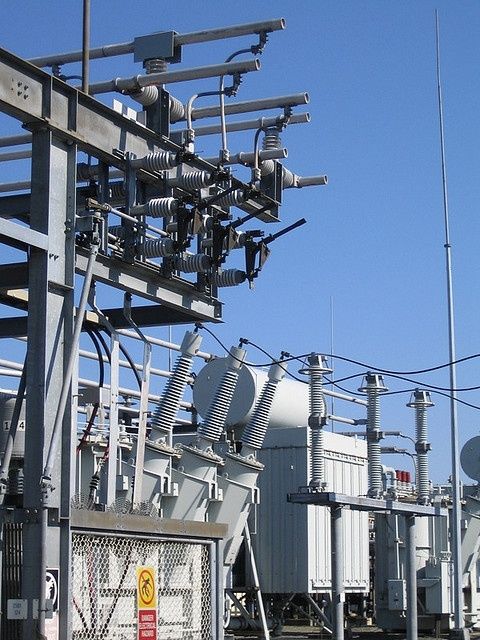
Texas operates its own electrical grid through ERCOT, which is not interconnected with neighboring grids. This isolation means that during periods of extreme demand or generation shortfalls, there's limited ability to import power from other regions. Healthcare facilities in Texas need to factor this grid structure into their reliability planning and maintain appropriate on-site backup capacity.
Outage Risk Mitigation
Beyond backup equipment, hospitals manage outage risk through dual utility feeds (two independent connections to the grid), automatic transfer switches, load-shedding protocols for non-critical systems, and regular emergency response drills. Procurement decisions also play a role: choosing a reliable retail electric provider and structuring contracts that include clear terms for service quality matter more in healthcare than in almost any other industry.
Healthcare Energy Procurement Strategy in Texas
For hospitals and healthcare systems, energy procurement is not a routine purchasing exercise. It requires a strategy that accounts for constant demand, zero tolerance for service interruption, and the financial discipline of annual budget cycles. Texas's deregulated electricity market offers a real opportunity for healthcare organizations, but capturing that value requires a structured approach.
Long-Term Contracting
Most healthcare systems benefit from multi-year electricity contracts that lock in a known rate for a defined period. This eliminates exposure to wholesale market volatility, which in ERCOT can produce extreme price spikes during summer peaks and severe weather events. A well-structured long-term contract provides the budget certainty that finance teams need while protecting operations from unpredictable cost increases.
Aligning Procurement with Fiscal Cycles
Healthcare organizations typically operate on annual fiscal years, with budgets set months in advance. Energy procurement timing should align with these cycles so that electricity costs are known quantities when budgets are finalized. Starting the contract evaluation process 6 to 12 months before the current agreement expires gives procurement teams enough time to assess market conditions and negotiate favorable terms.
Managing ERCOT Market Volatility
The Texas wholesale electricity market is among the most volatile in the country. Prices can swing from $20 per MWh to over $5,000 per MWh within a single day during stress events. For facilities that consume millions of kilowatt-hours annually, any unhedged exposure to these swings represents material financial risk. Healthcare energy procurement strategies should include fixed-rate components, and in some cases, layered purchasing approaches that secure portions of expected load at different times to average out market fluctuations.
Risk Management for Healthcare Systems
Beyond price risk, healthcare procurement also involves supplier reliability, contract flexibility for facility expansions or closures, and terms that account for demand variability. A hospital adding a new surgical wing or bringing imaging equipment online will see its load profile change. Contracts should include provisions for these operational realities rather than penalizing the organization for growth or change.
A well-designed healthcare energy procurement approach treats electricity as what it is for hospitals: critical infrastructure that requires the same level of planning and oversight as any other major operational expense.
If your healthcare system is approaching a contract renewal or evaluating its current electricity costs, a structured assessment can identify specific opportunities.
Request a healthcare energy assessment to start the conversation.
Energy Efficiency in Healthcare Facilities
Efficiency improvements in hospitals require a different mindset than in typical commercial buildings. You can't reduce airflow in an operating room to save on HVAC costs, and you can't power down an MRI to shave peak demand. Meaningful efficiency gains in healthcare come from targeting systems and areas where operational adjustments don't touch clinical environments.
HVAC Optimization
While clinical areas require strict environmental controls, support spaces like administrative offices, lobbies, conference rooms, and storage areas offer real optimization opportunities. Variable frequency drives on air handling units, demand-controlled ventilation in non-clinical zones, and economizer controls that take advantage of cooler outdoor air when conditions allow can reduce HVAC energy use by 10% to 20% without affecting patient care areas.
LED Lighting Retrofits
Replacing fluorescent and HID lighting with LED fixtures in corridors, parking structures, administrative areas, and exterior spaces delivers fast payback with minimal disruption. Many hospitals have already completed this in clinical areas due to better light quality for staff. Extending the retrofit to all non-clinical areas typically reduces lighting energy by 40% to 60%.
Building Automation Systems
A modern building automation system (BAS) provides centralized monitoring and control over HVAC, lighting, and other building systems. For healthcare campuses with multiple buildings, a BAS enables scheduling, setback controls, and real-time performance monitoring that identifies waste before it accumulates. Integration with the facility's energy management program ensures that efficiency gains are sustained over time.
Scheduling Optimization
Non-critical areas of a hospital, including outpatient clinics that operate on business hours, training rooms, and administrative wings, can be scheduled to reduce energy consumption during unoccupied periods. Setback temperatures, reduced lighting, and equipment standby modes in these zones reduce overall facility consumption without any impact on 24/7 clinical operations.
Equipment Efficiency Upgrades
When major equipment reaches the end of its life, such as chillers, boilers, or air handling units, replacement with high-efficiency models can yield substantial long-term savings. These decisions should be evaluated on a total cost of ownership basis rather than the upfront price alone. In many cases, utility incentive programs and tax benefits can offset the cost premium of efficient equipment.

Energy as a Controllable Operating Expense
In most healthcare organizations, electricity ranks among the top three non-labor operating expenses. Unlike staffing costs or supply chain pricing, energy is one of the few areas where strategic decisions by the organization itself can produce measurable, recurring savings. That makes it worth the attention of senior leadership, not just the facilities department.
The good news is that well-planned efficiency improvements and procurement strategies do not require compromises to patient care. When properly managed, they support it. A hospital that reduces its energy spend by 12% frees capital that can be redirected toward clinical programs, equipment, or staffing. A health system that secures predictable electricity rates for three years creates budget stability that strengthens financial planning across every department.
Energy is also one of the few areas where environmental responsibility and financial performance align naturally. Reducing consumption lowers costs and emissions simultaneously, which matters to boards, patients, and communities.
The organizations that treat energy as a strategic operating concern, rather than an administrative afterthought, consistently outperform those that don't. That's true in every industry, but it matters most in healthcare, where the margin between financial stability and financial stress is often razor-thin.
Texas Electric Broker works with healthcare systems across the state to bring structure, market access, and analytical rigor to energy procurement. Our approach is consultative, data-driven, and grounded in the operational realities of running a 24/7 medical facility. You can explore our full range of
commercial electricity rate services or learn more about how we serve
healthcare facilities in the Houston area, home to the Texas Medical Center, the largest medical complex in the world.
Here’s what our customers have to say
Read real reviews from customers just like you.
★★★★★
He was extremely helpful and quick to get us a better rate and solve our problems.
Abys Insurance & Multiservice
★★★★★
We used to have several different contracts with multiple expiration dates to keep up with. Now we have one aggregated product with a low fixed rate. Leave the energy up to the experts and call Texas Electric Broker today, you won’t regret it!!!
Sport Hypes
★★★★★
Love working the folks over at Texas Electric. Truly experienced in educating customers and finding the most competitive rates in the market.
Donell Kinnard
Frequently Asked Questions About Healthcare Facility Electricity Rates
What is healthcare energy procurement?
Healthcare energy procurement is the process of sourcing, negotiating, and securing electricity contracts specifically for hospitals, medical centers, and healthcare systems. It accounts for the unique demands of 24/7 operations, critical load requirements, and the budget predictability that healthcare organizations need. In Texas's deregulated market, this means comparing offers from multiple retail electric providers and structuring contracts that balance cost savings with the reliability healthcare facilities require.
How much electricity do hospitals use in Texas?
A mid-sized hospital in Texas typically consumes between 20,000 and 60,000 kWh per day. Large hospital systems and medical campuses can exceed 150,000 kWh daily. Electricity usage depends on factors like facility size, the number of imaging units, surgical suite volume, HVAC requirements, and data center operations. Because hospitals operate around the clock, their baseline load is significantly higher than most commercial facilities.
What drives healthcare energy consumption the most?
HVAC systems are the single largest energy consumer in most healthcare facilities, often accounting for 40% to 60% of total electricity usage. Strict air quality standards, temperature control for patient safety, and positive/negative pressure rooms all contribute to this demand. Imaging equipment (MRI, CT scanners), surgical lighting, data infrastructure, and backup power systems are also significant contributors.
How can hospitals reduce electricity costs without affecting patient care?
Hospitals can reduce electricity costs through strategic procurement (securing competitive rates through the deregulated Texas market), HVAC optimization (upgrading controls and scheduling), LED retrofits in non-clinical areas, building automation systems, and operational scheduling adjustments for non-critical zones. The key is targeting efficiency improvements in areas that do not affect clinical environments, patient comfort, or safety compliance.
Do medical facilities benefit from fixed electricity rates?
Yes. Fixed-rate contracts provide budget predictability, which is especially valuable for healthcare organizations that operate on annual fiscal cycles and tight margins. A fixed rate eliminates exposure to wholesale market price spikes, which can be severe during Texas summer peaks or grid stress events. Many healthcare systems use a blended approach: fixing a base rate for most consumption while retaining some flexibility for off-peak savings.
What is included in a healthcare energy audit?
A healthcare energy audit typically includes a review of historical electricity usage, analysis of demand patterns across 24-hour cycles, evaluation of HVAC system performance, assessment of lighting and equipment efficiency, review of current contract terms and pricing, and identification of cost reduction opportunities. For healthcare facilities, the audit also considers backup power systems, redundancy loads, and compliance requirements that affect how and when energy can be managed.
Ready to Evaluate Your Healthcare Energy Costs?
Whether you're managing a single hospital or a multi-facility health system, a structured energy assessment can identify real opportunities to reduce costs and improve budget predictability. Our team works with healthcare organizations across Texas to bring clarity, competitive pricing, and reliability-focused procurement to every engagement.